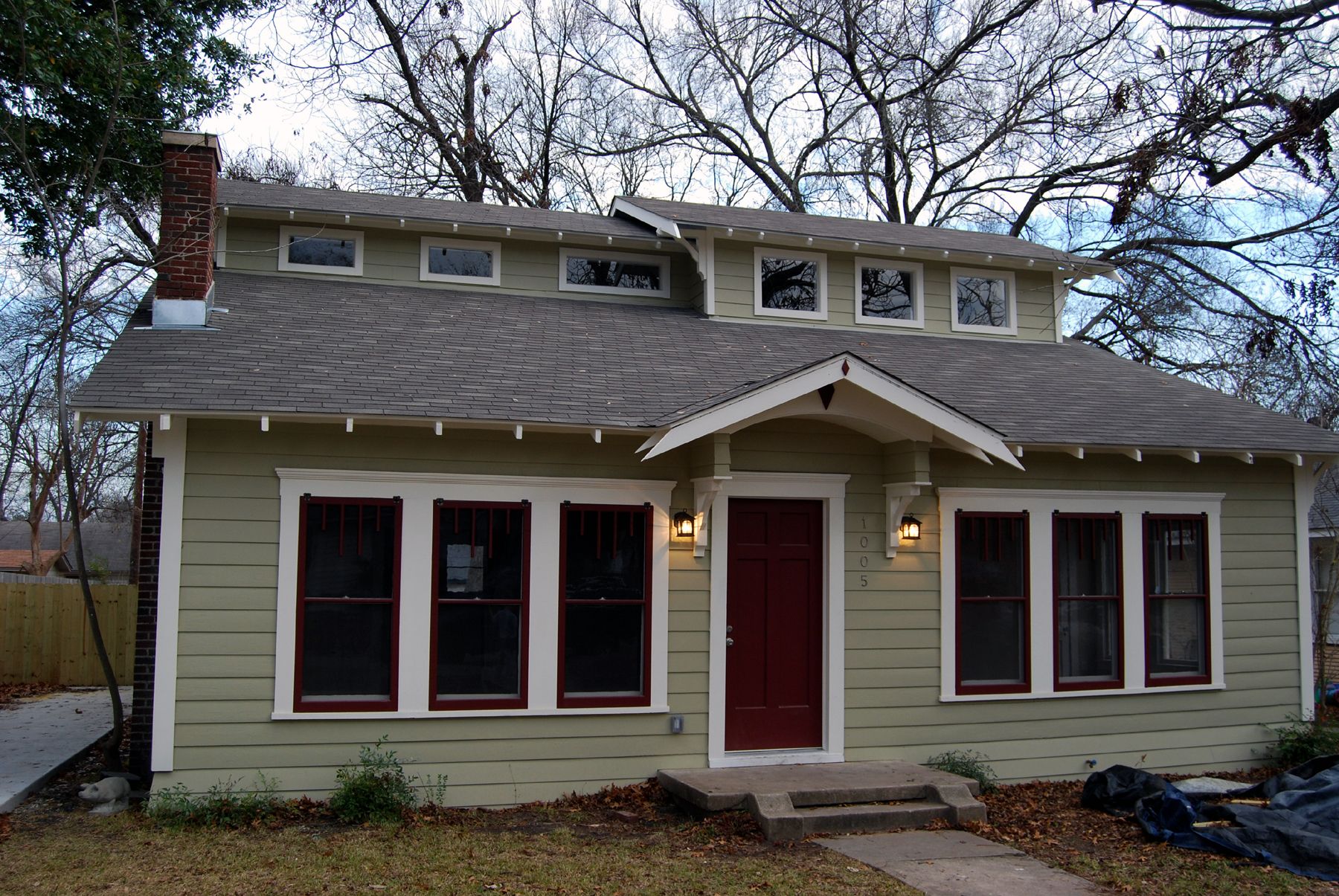
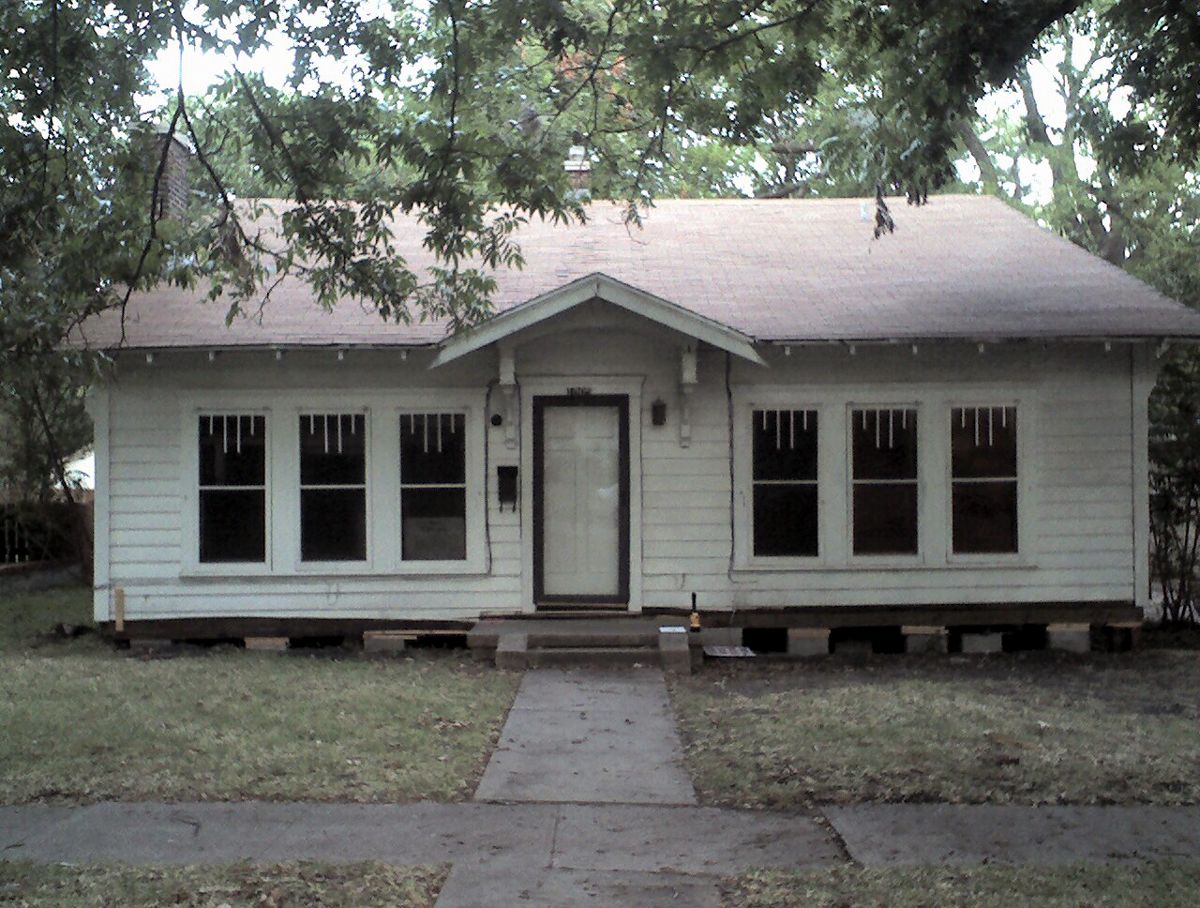
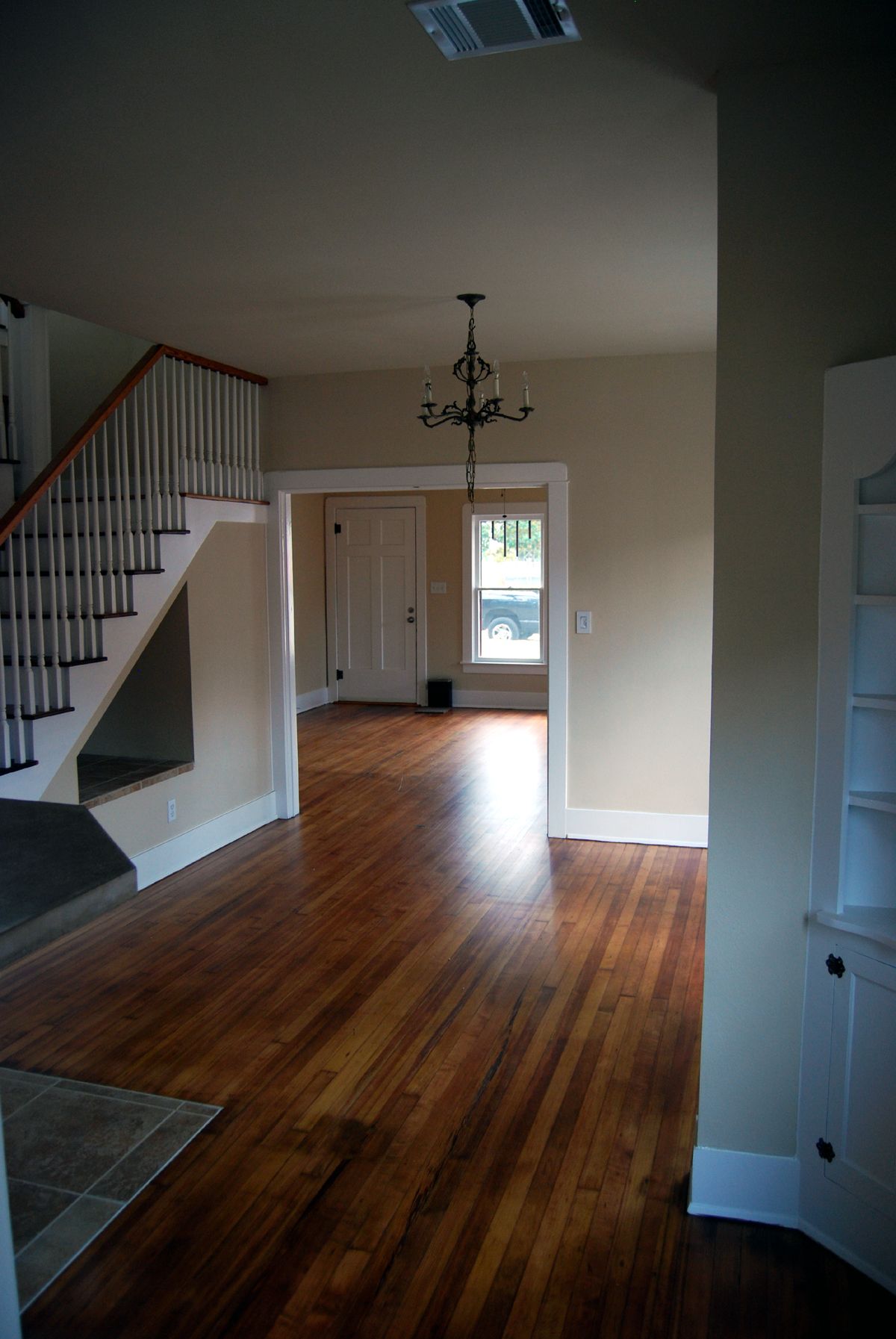
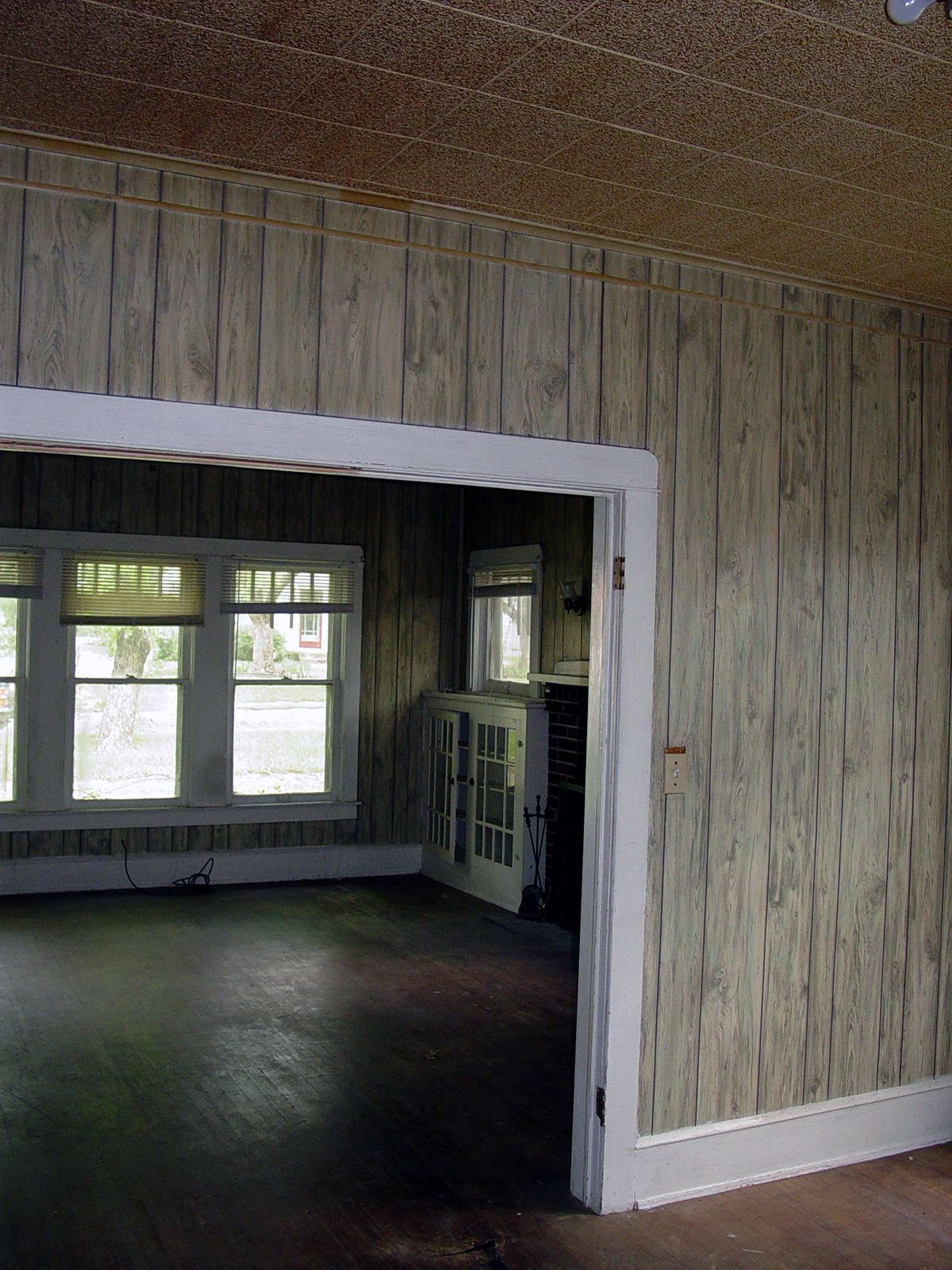
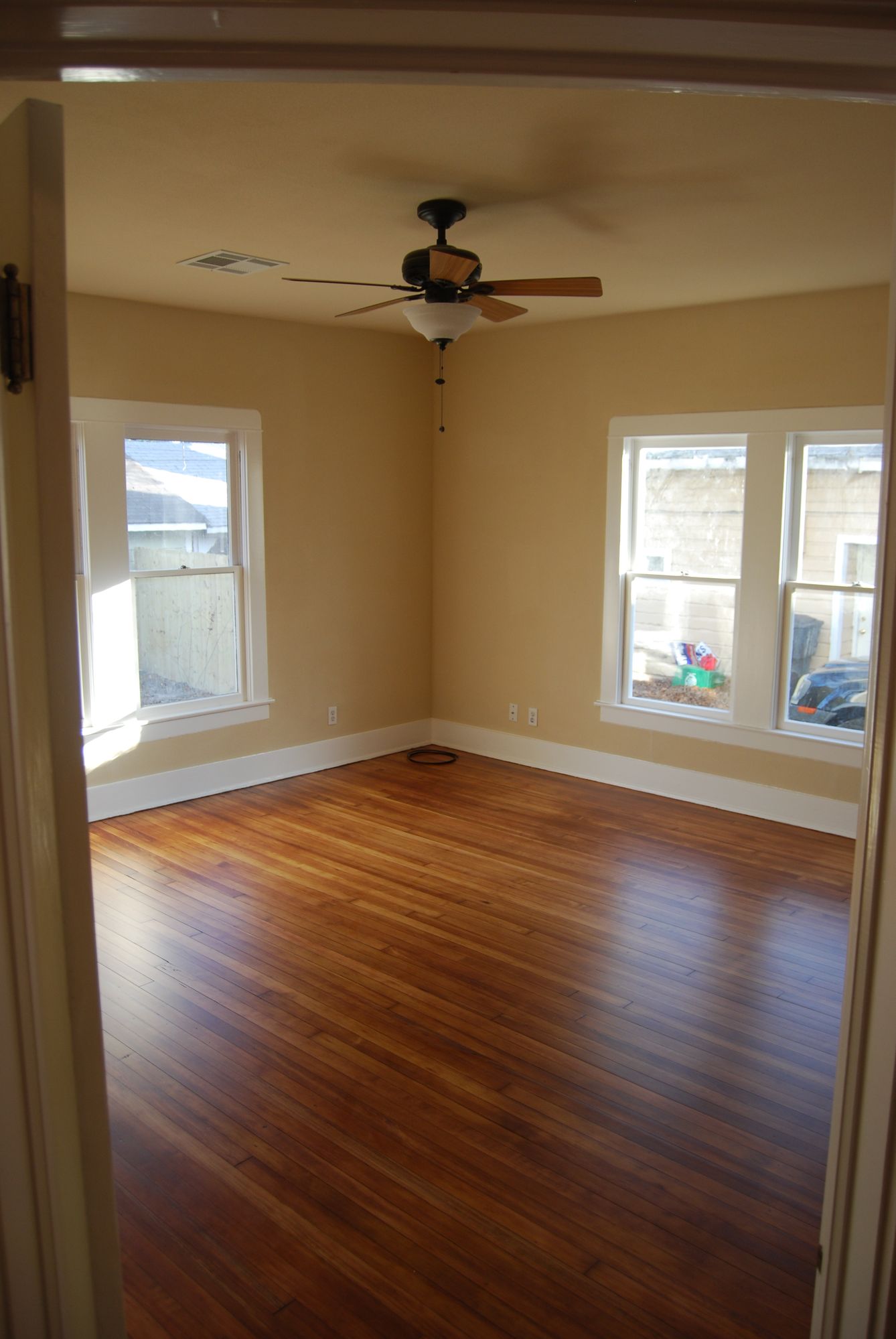
We bought this house in Temple’s historic district because it was rough — pier and beam that had shifted, holes in the floor you could see daylight through, broken windows, and cheap particle board moldings slapped over whatever was underneath. It looked like a tear-down problem.
It wasn’t.
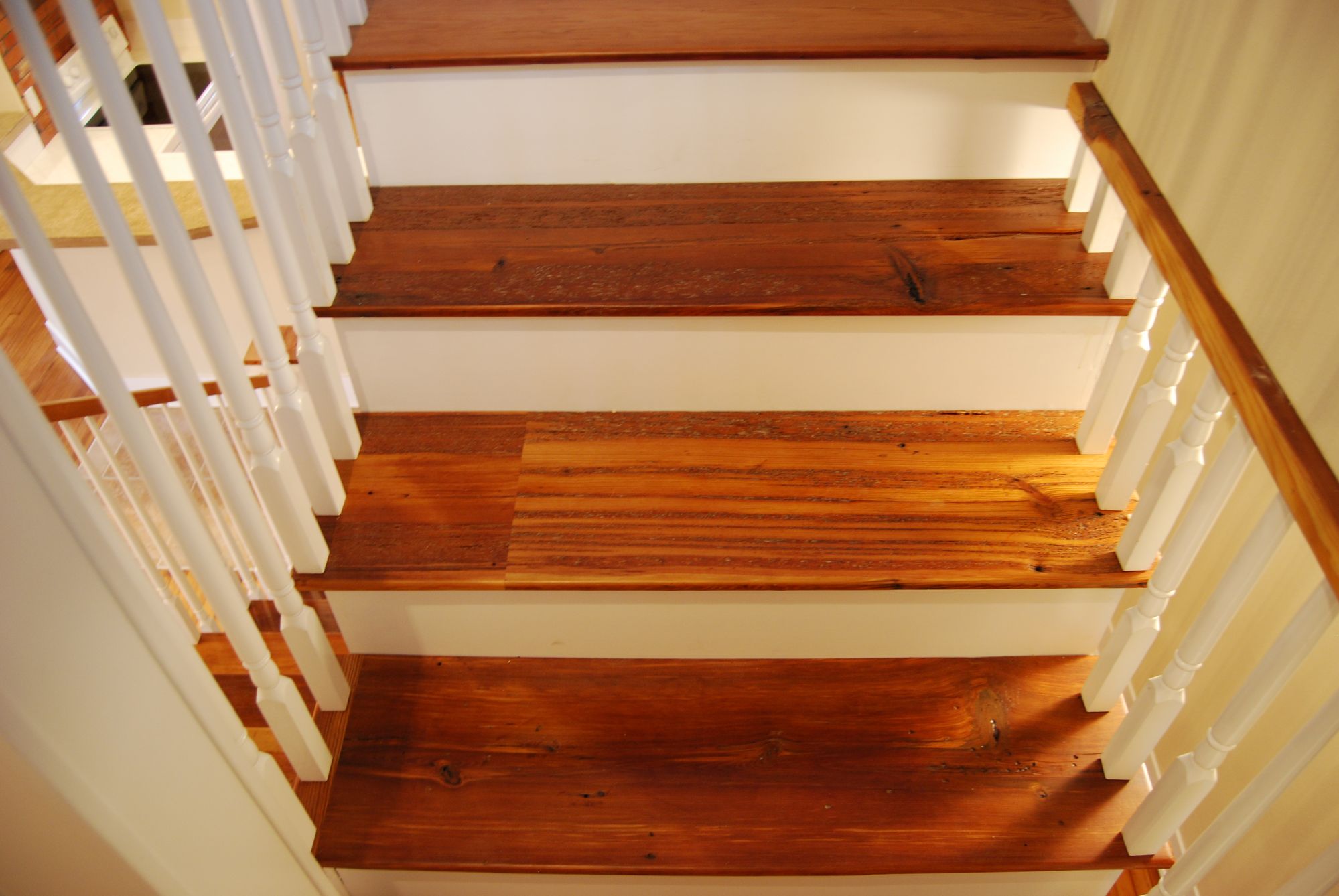
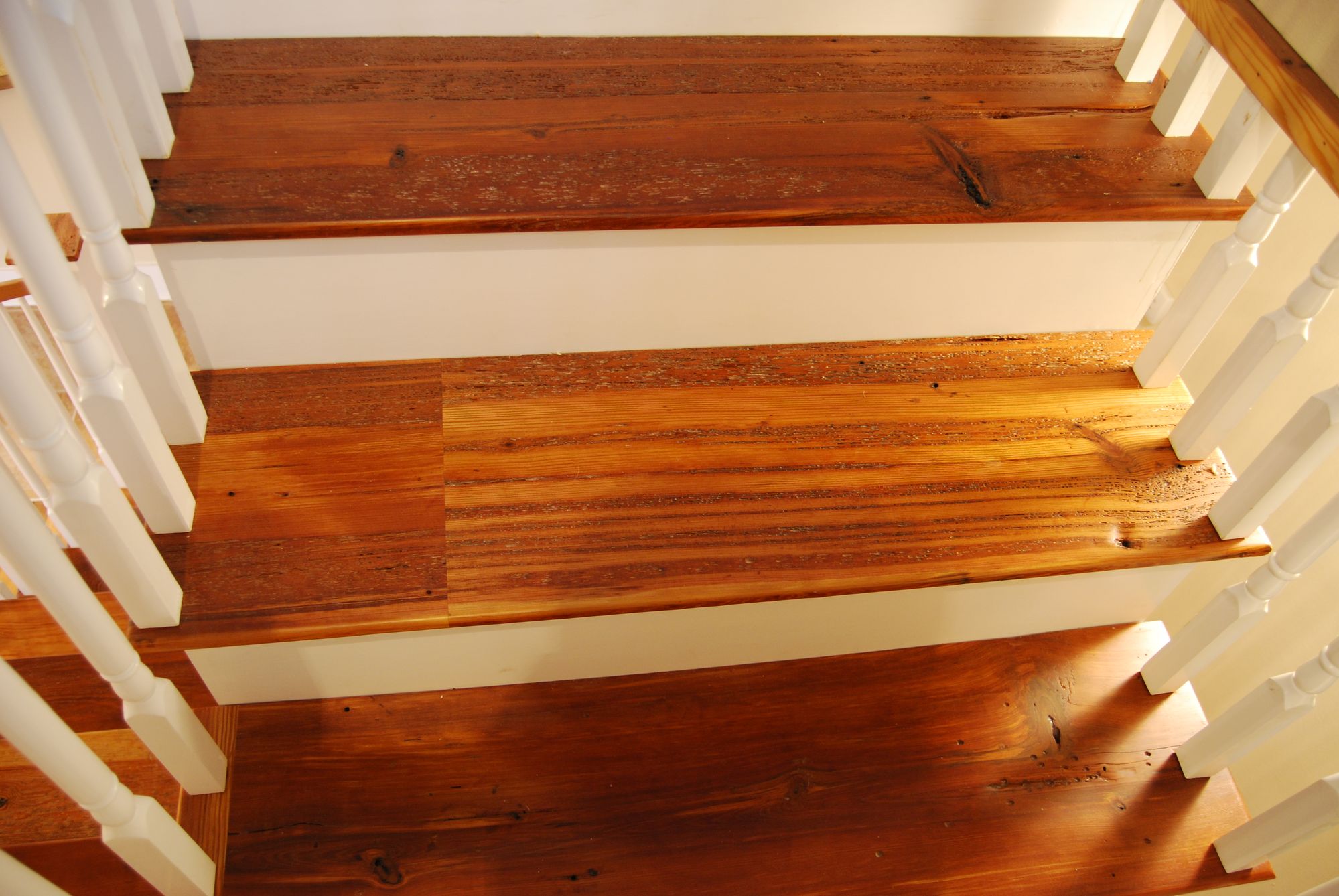
Once we got into it, we found the entire structure was longleaf pine — an extinct wood species that nobody builds with anymore because there isn’t any left. The house was almost certainly a Sears & Roebuck catalog home, built at a time when that kind of material was standard. We shored up the foundation, stripped the particle board junk off the walls, and started refinishing what was there. Those floors turned out to be the best-looking floors we’ve ever done. The grain came alive.
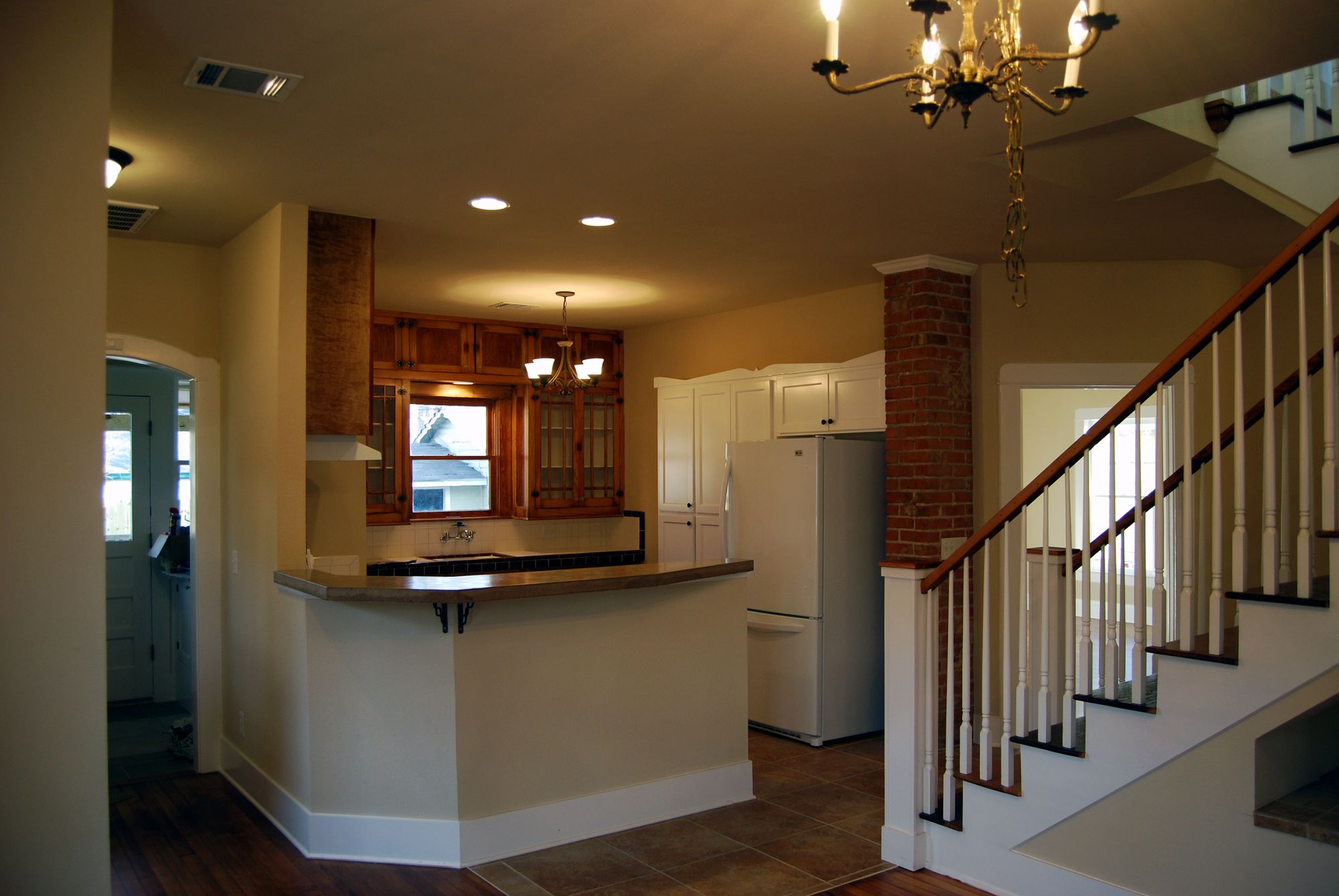
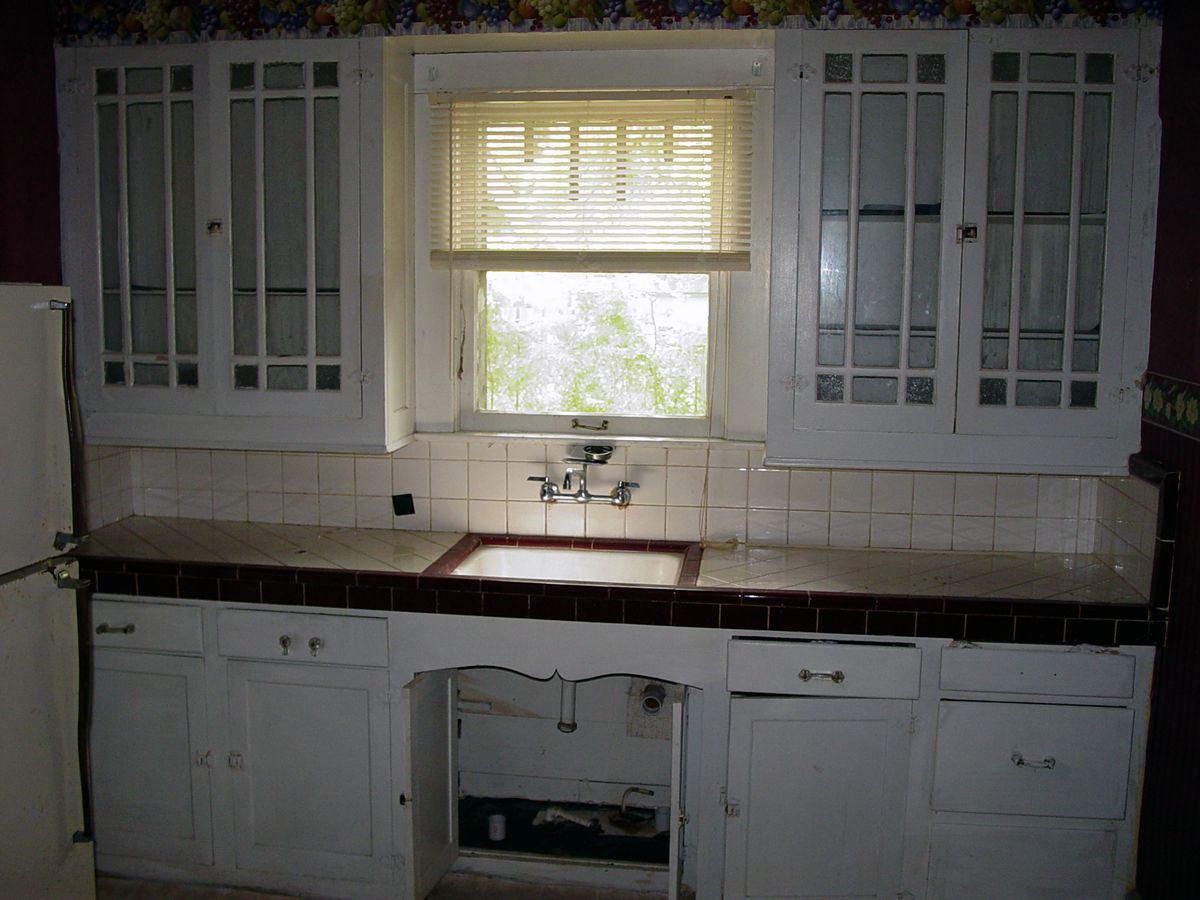
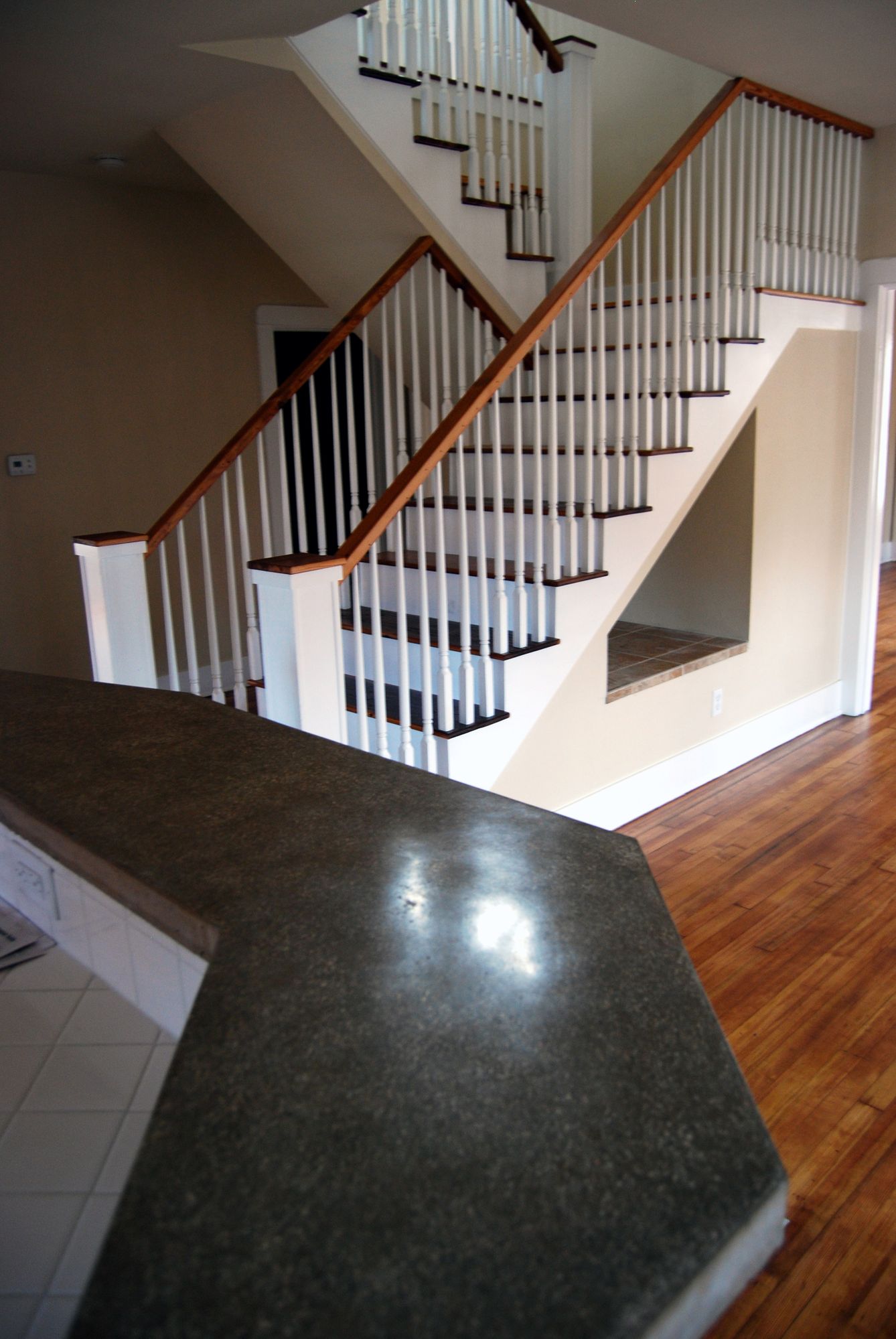
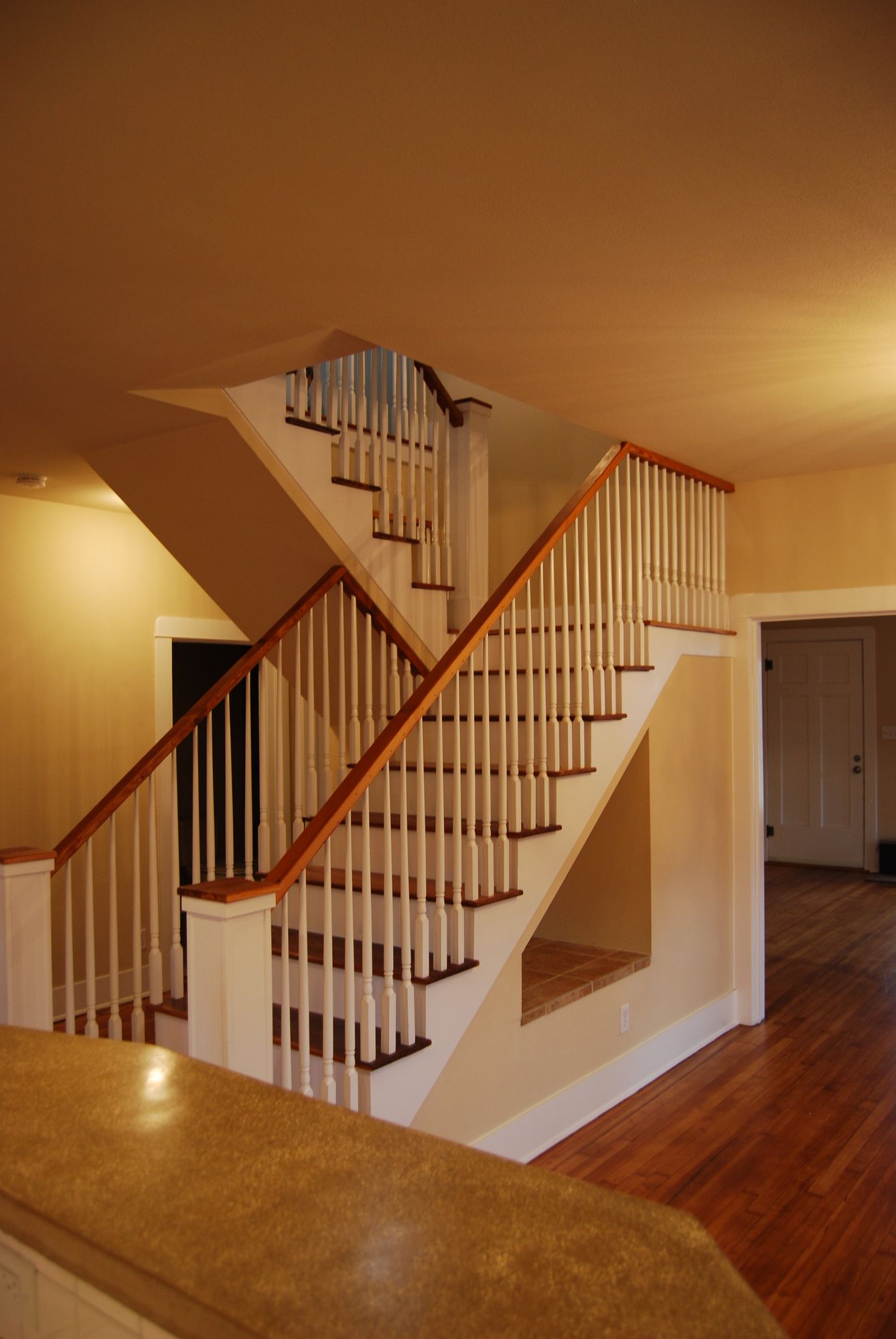
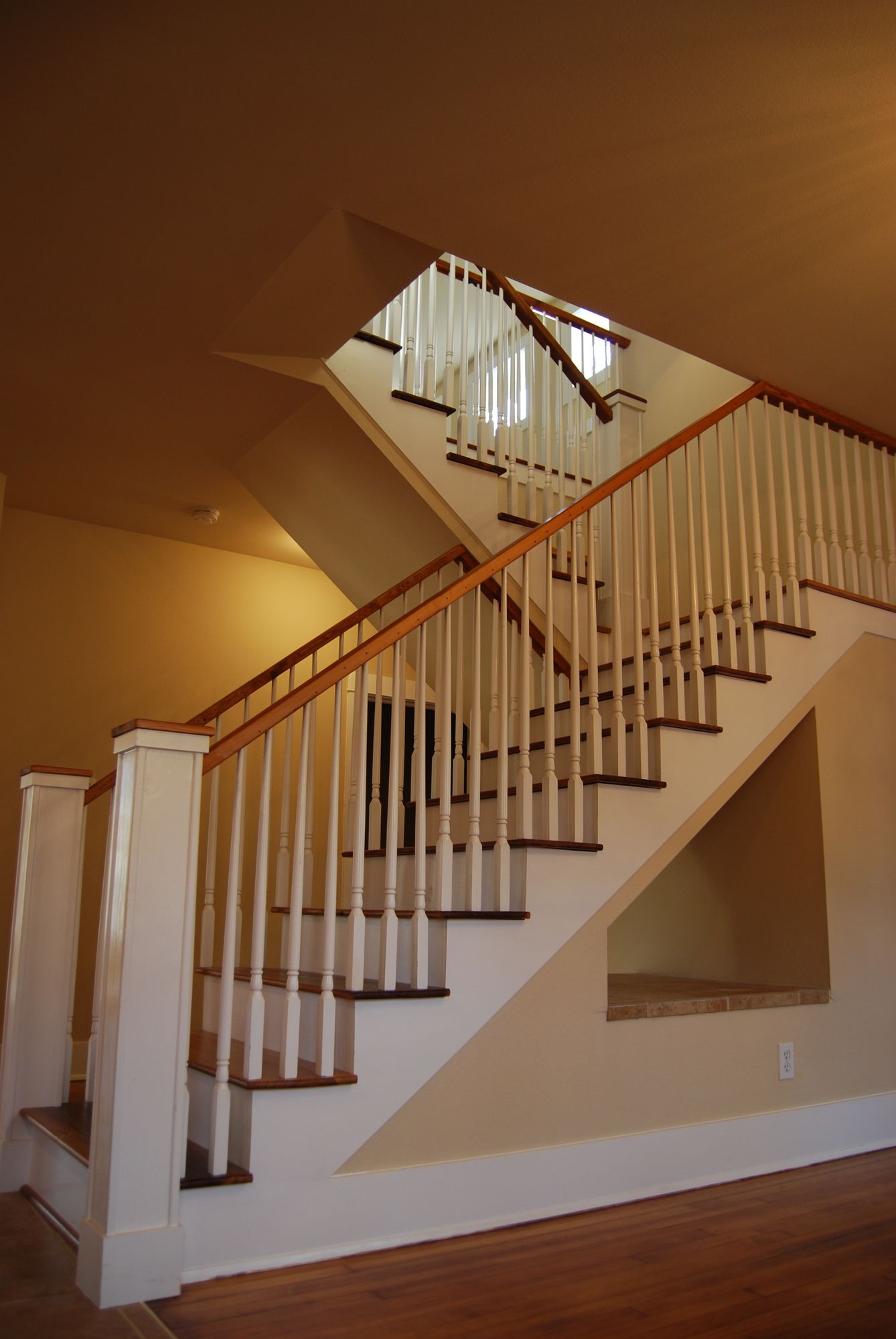
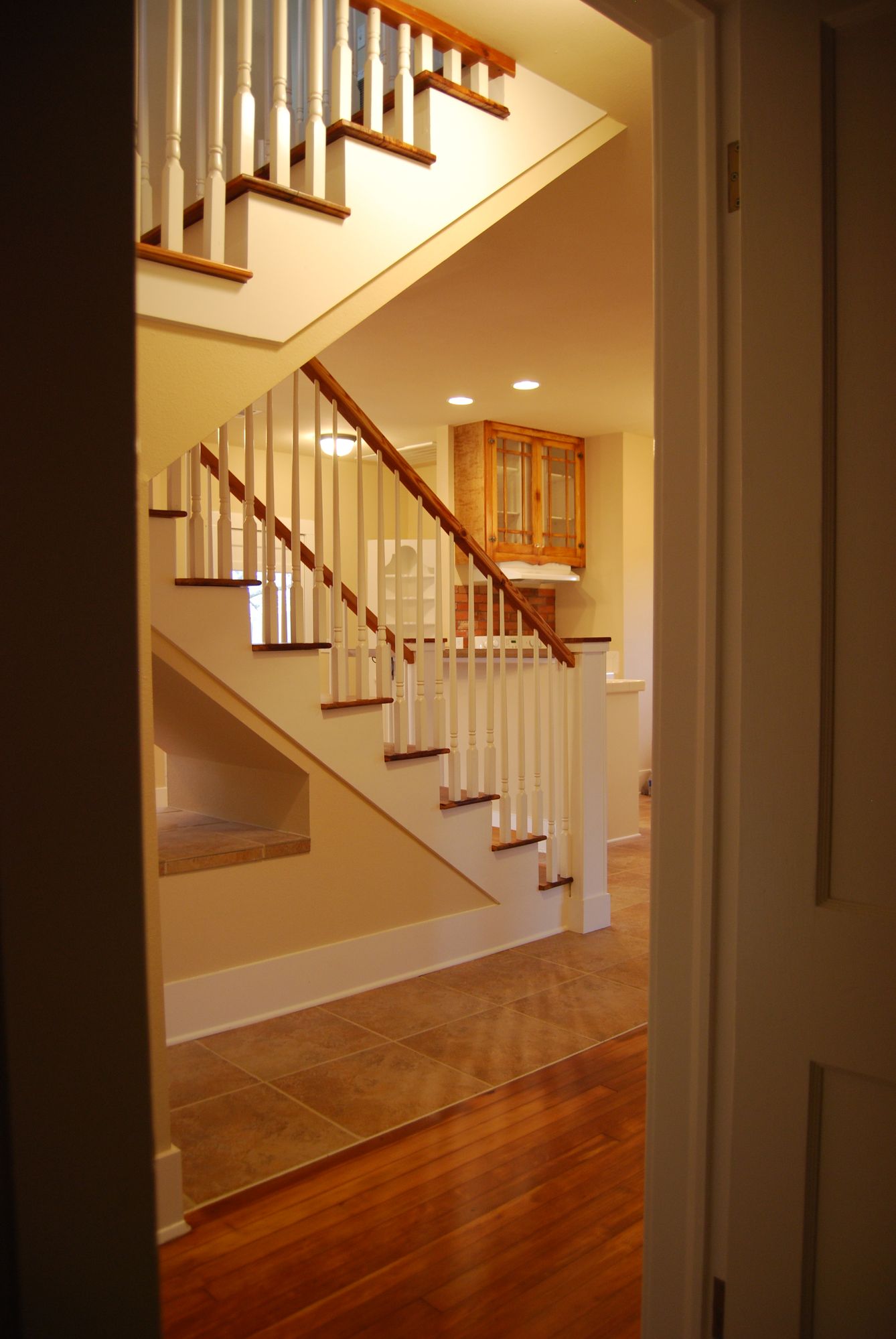
From there, every decision followed the same rule: work with the house, not over it. We opened up the kitchen while keeping the original cabinets — just stripped the paint to expose the longleaf underneath. We demolished a dilapidated chimney and reused the brick as a kitchen backsplash. We added a second-story loft with new stairs, giving the footprint real square footage without changing the character of the place. Original doors, original trim, original hardware — stripped, sealed, or repainted. Nothing replaced that didn’t have to be.
The local paper wrote it up as a labor of love. That’s about right.
It’s a good reminder that rough doesn’t mean done. If the bones are good — the structure, the materials, the way the house sits — you can get to something special. You just have to be willing to look past the first impression.